
- font_admin
- November 20, 2025
- Broadcasting FontsDevanagari ConversionDVB-TT YogeshFont MappingMarathi Font ConverterUnicode Conversion
Unicode to DVB-TT Yogesh Marathi Font Converter: The Essential Guide
The digital world often requires complex text conversions, especially when navigating regional languages and specialized legacy systems. If your work involves Marathi text and needs to interface with specific broadcasting or archival platforms, you likely need a precise and efficient tool. This is where the Unicode to DVB-TT Yogesh Converter becomes indispensable. It serves as a vital bridge between modern standardized Unicode and the older, specific DVB-TT Yogesh font format.
Furthermore, relying on manual conversion is time-consuming and prone to errors. Consequently, having a dedicated online tool ensures speed, accuracy, and consistency across all your Marathi content projects. We will explore exactly what this conversion entails and how you can use the specialized tool effectively.
Understanding the Need for Unicode to DVB-TT Yogesh Conversion
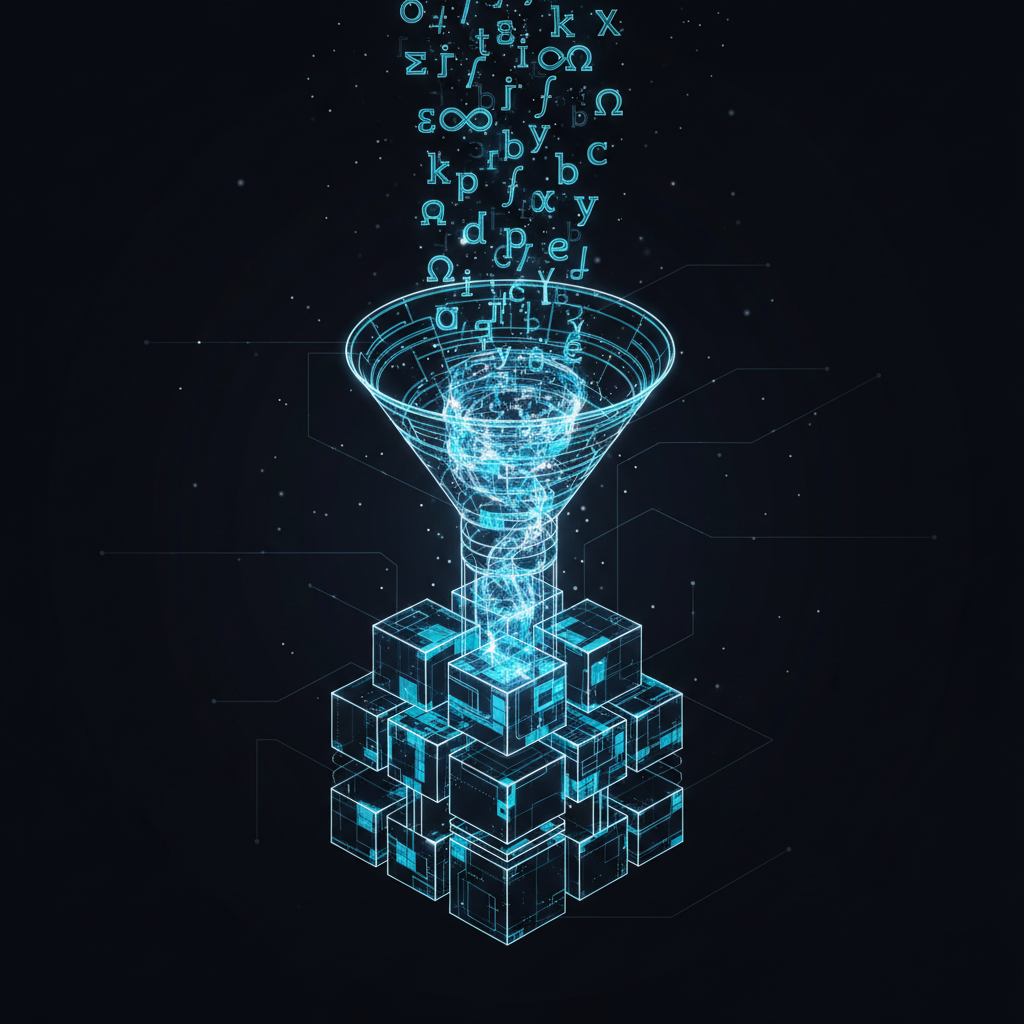
Marathi, like many Indian languages, utilizes the Devanagari script. While Unicode is the universal standard for digital text, older systems—particularly those related to Digital Video Broadcasting (DVB) and specific typesetting environments—still depend on proprietary or non-Unicode fonts like DVB-TT Yogesh. Converting Unicode text to DVB-TT Yogesh involves mapping the standardized character data back to the specific character encoding required by the legacy font.

This conversion is particularly crucial for television subtitles, teletext services, and some older publishing workflows where DVB-TT compatibility is mandatory. Without the correct encoding, the text appears as garbled characters (mojibake), rendering the content unusable. Therefore, precision in the conversion process is key to maintaining data integrity and readability.
Why Legacy Fonts Like DVB-TT Yogesh Persist
Although Unicode has dominated the digital sphere, many institutions and broadcasting setups established their infrastructure decades ago using specific font formats. Rebuilding these large-scale systems is often impractical or prohibitively expensive. Consequently, the need to interact with these established systems means that specialized tools like the Unicode to DVB-TT Yogesh Converter remain relevant for professionals working in this niche.
The primary function of this converter is not just translation, but preservation of compatibility. It ensures seamless communication between new content creation pipelines and critical, long-standing broadcast infrastructure.
Font Conversion Specialist
How to Use the Unicode to DVB-TT Yogesh Converter: A Simple Guide
The conversion process is designed to be straightforward, allowing users to handle large volumes of text quickly. Following these steps will ensure accurate results when utilizing the tool:
- Prepare Your Text: Copy the Marathi text currently encoded in Unicode (which is typically what you get from modern word processors or web pages).
- Paste into the Input Box: Navigate to the converter website and paste your Unicode text into the designated input field.
- Initiate Conversion: Click the ‘Convert’ or ‘Process’ button. The tool instantly analyzes the input and performs the necessary character mapping to the DVB-TT Yogesh encoding structure.
- Review and Copy Output: The resulting text, now in the DVB-TT Yogesh format, appears in the output box. Copy this converted text and paste it directly into your target application (e.g., a specific broadcasting software).
It is vital to check a small sample of the converted text in the target environment to confirm that the DVB-TT Yogesh font is displaying correctly. This verification step minimizes potential issues before full deployment.
Key Features and Advantages of this Specialized Conversion Tool
Speed and Efficiency
Dedicated converters are optimized for speed. They process thousands of characters per second, significantly reducing the turnaround time for broadcast or publishing deadlines. This efficiency is especially noticeable when handling long documents or scripts.
- Instantaneous processing
- Handles complex ligatures accurately
- Reduces manual intervention
Ensuring Accurate DVB-TT Yogesh Output
Accuracy is paramount. Unlike generic converters that might miss specific character nuances, this specialized tool is specifically engineered for the Marathi script and the exact mapping required by the DVB-TT standard, ensuring that every vowel sign and consonant cluster is rendered correctly.
- Guaranteed compatibility with legacy systems
- Maintains original formatting integrity
- Supports complex conjunct characters

Addressing Marathi Font Compatibility Issues
Compatibility issues often arise due to differing interpretations of character sets. The highly specific nature of the Unicode to DVB-TT Yogesh Converter mitigates this risk entirely. By providing a clean, targeted output, it eliminates the common errors that plague cross-platform text handling.
However, users must remember that the final display quality depends on having the DVB-TT Yogesh font installed correctly on the receiving system. The converter handles the encoding; the system handles the rendering.
Conclusion
For professionals in broadcasting, media, or archives dealing with regional content, the ability to seamlessly transition between modern standards and legacy requirements is critical. The Unicode to DVB-TT Yogesh Converter stands out as the essential tool for managing Marathi text that must adhere to DVB-TT specifications.
We encourage you to utilize this powerful resource to streamline your workflow and guarantee accurate, compatible text output every time. By adopting this solution, you save time, reduce conversion errors, and ensure the longevity of your Marathi digital content.