
- font_admin
- December 3, 2025
- Digital PublishingDVB-TT SurekhLegacy fontsMarathi font conversionMarathi TypographyUnicode Converter
The Ultimate Guide to the Unicode to DVB-TT Surekh Marathi Font Converter
Digital publishing in regional languages often presents unique challenges, particularly when dealing with proprietary or legacy font formats. For users working with Marathi content, transitioning between modern standards and specific broadcasting requirements can be complex. This is where a dedicated Unicode to DVB-TT Surekh converter becomes indispensable. It serves as a vital bridge, ensuring that beautifully formatted Marathi content, written using modern Unicode standards, can be accurately rendered in the older, yet still required, DVB-TT Surekh format.
This guide explores why this conversion tool is critical for media professionals, typesetters, and developers, detailing its functionality and the benefits it offers in maintaining accurate digital communication.
Why Converting Unicode to DVB-TT Surekh is Essential
Unicode is the universal standard for digital text, allowing Marathi characters to be displayed correctly across nearly all devices and platforms. However, specific legacy systems, particularly those used in digital video broadcasting (DVB) and older graphic design workflows, often rely on non-Unicode fonts like DVB-TT Surekh. Consequently, text intended for subtitles, broadcast graphics, or specific print layouts must be converted from its native Unicode format.
Understanding the Marathi Font Landscape
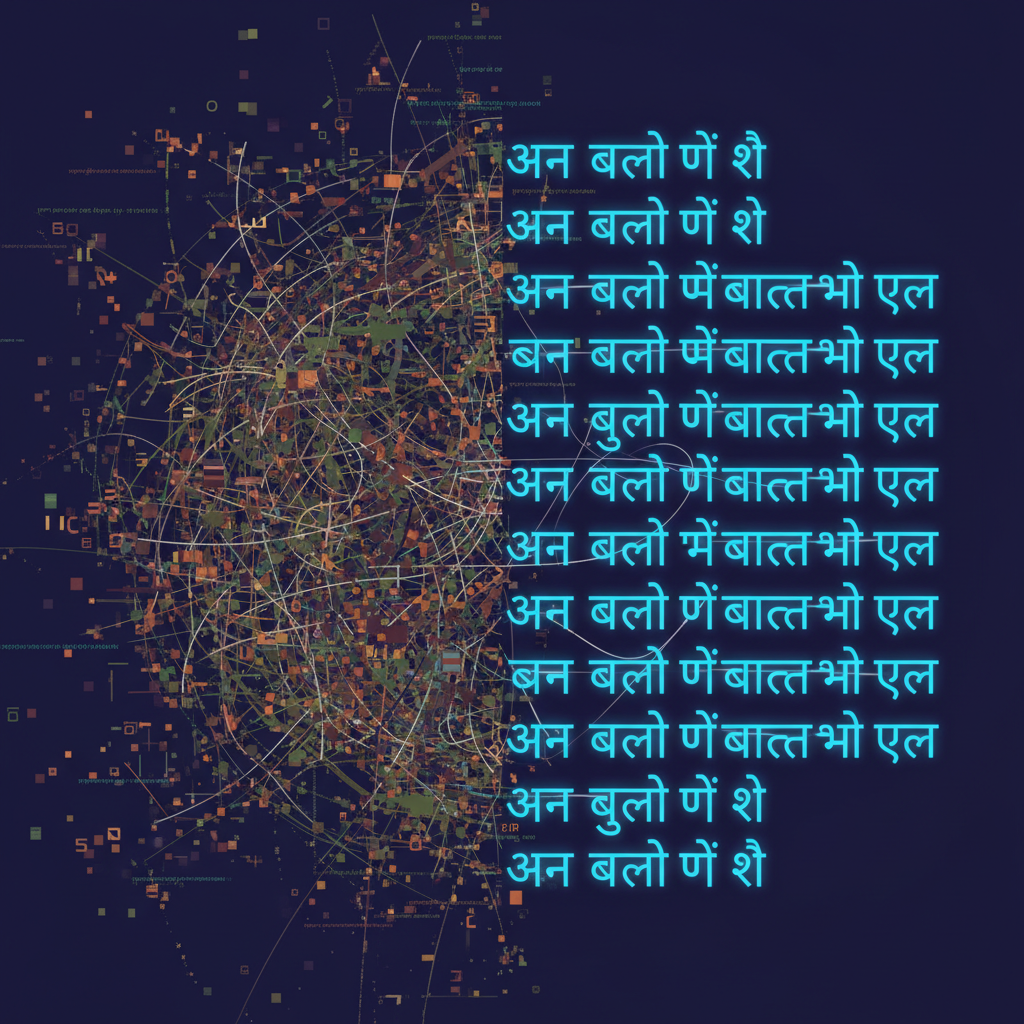
The need for the Unicode to DVB-TT Surekh converter stems from a core incompatibility. Unicode encodes the meaning of the character, while fonts like DVB-TT Surekh encode specific glyph shapes tied to a non-standard character map. Furthermore, trying to manually correct large volumes of text is prone to errors and highly time-consuming. Therefore, an automated solution is mandatory for professional efficiency.
In the world of broadcast media, precision is paramount. A dedicated converter ensures that subtitles and on-screen graphics comply perfectly with DVB standards, eliminating display errors.
How to Use the Unicode to DVB-TT Surekh Converter Effectively
Using the converter tool is straightforward, designed to make complex encoding tasks accessible to everyone. The process simplifies text handling, whether you are preparing documents for print or dynamic text for broadcast. Here is a simple breakdown of how to achieve flawless conversion:
- Input Preparation: Copy the Marathi text written in Unicode (standard text from a modern word processor or website).
- Pasting the Text: Paste the copied Unicode text into the designated input box on the converter tool page.
- Execution: Click the ‘Convert’ button to initiate the encoding shift from Unicode to DVB-TT Surekh.
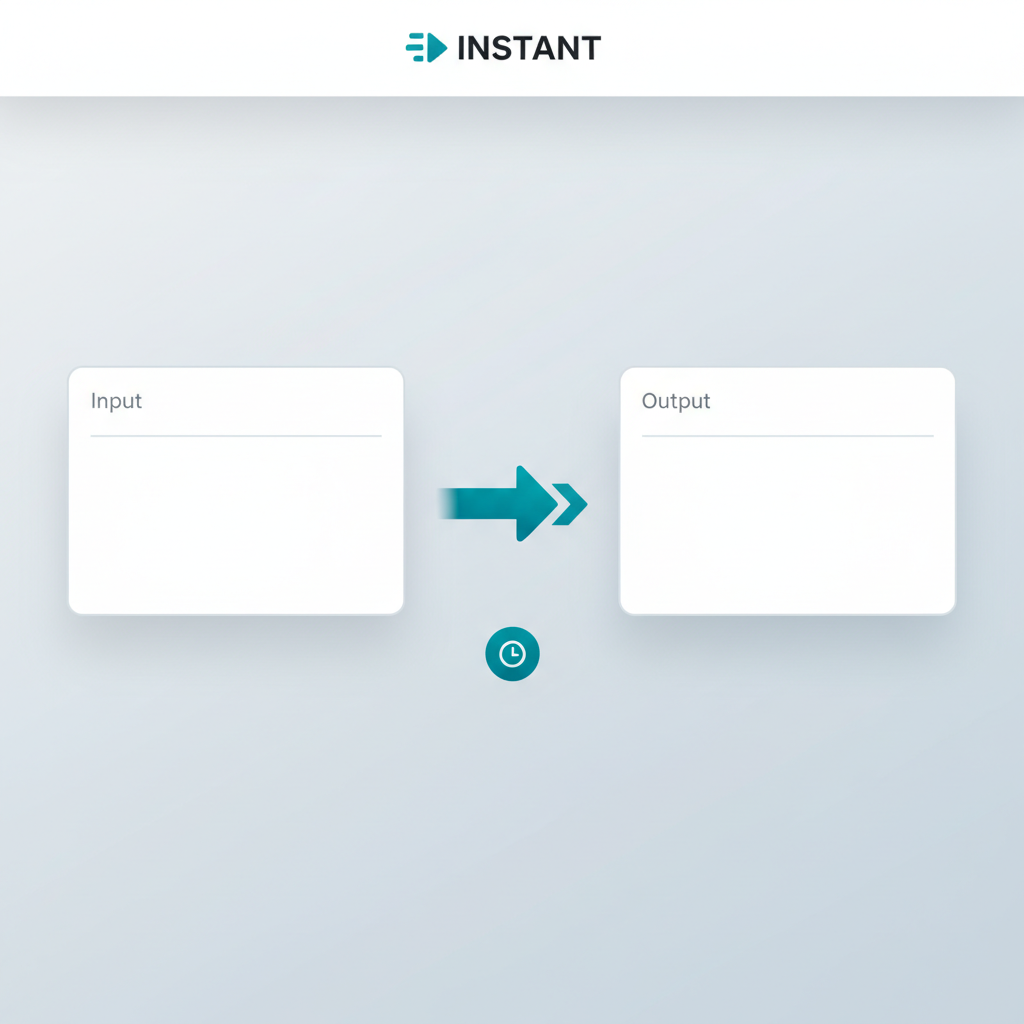
- Output Review: The converted text will immediately appear in the output box, ready for copying.
- Deployment: Copy the DVB-TT Surekh output and paste it into your target application (e.g., specific graphic design software or broadcast subtitle tools).
Key Features of a Reliable Unicode to DVB-TT Surekh Converter
A high-quality Unicode to DVB-TT Surekh converter should offer more than just basic functionality. It must guarantee speed, accuracy, and reliability, especially when handling voluminous content like movie subtitles or book manuscripts. Moreover, the best converters streamline workflow and reduce the risk of formatting errors.
- 100% Accuracy: Ensures every single character is mapped correctly, preserving nuances of the Marathi script.
- Batch Processing: Capability to handle large blocks of text instantaneously, saving hours of manual labor.
- Zero Dependencies: Requires no special software installation; works directly in your web browser.
- Speed & Efficiency: Converts thousands of characters in seconds, crucial for fast-paced production environments.
- User-Friendly Interface: Simple copy-paste mechanism that requires no technical expertise.
- Error Minimization: By automating the process, it eliminates the common typographical errors associated with manual conversion methods.
Ensuring Accuracy with the Converter
While the Unicode to DVB-TT Surekh converter automates the heavy lifting, understanding the nature of the DVB-TT Surekh font is important. This font style is often rigid and requires specific rendering rules. Therefore, after conversion, it is always recommended to perform a quick visual check in the target application to ensure that ligatures and conjuncts display as expected.
Furthermore, unlike standard Unicode fonts that are infinitely scalable, legacy fonts may have limitations. However, by using a specialized and updated converter, you mitigate most risks associated with transferring data between these two disparate encoding systems. The goal is to make the transition invisible to the end-user while adhering to technical specifications.
The Role of Conversion in Marathi Digital Archiving
The ability to fluently switch between Unicode and legacy formats plays a significant role in digital archiving. While Unicode ensures future compatibility, legacy formats like DVB-TT Surekh might be necessary to accurately recreate historical documents or specific print runs. Consequently, this conversion tool is not just about current publishing; it’s also about preserving the integrity of older data.
Therefore, professionals who frequently deal with multilingual or multi-platform projects find the dedicated Unicode to DVB-TT Surekh converter tool to be an invaluable asset. It is a fundamental component of any robust Marathi digital toolkit.
Conclusion: Seamlessly Bridging Font Standards
The challenges of handling different font encodings across various platforms are real, especially in a specialized language like Marathi. The Unicode to DVB-TT Surekh converter solves this problem by providing a quick, accurate, and reliable mechanism to bridge the gap between universal Unicode and the requirements of legacy systems like DVB-TT Surekh. By automating this crucial process, users can focus on content quality and production deadlines, rather than tedious encoding issues. Access the tool today and transform your Marathi digital workflow.